Rubbish Removal in Balham
Rubbish Removal Balham provides a practical, straightforward service for households and businesses that need unwanted items taken away and handled properly. The focus is on clearing rubbish in a way that is organised, careful and suited to the type of waste involved, whether that means a one-off collection from a flat, a larger property clearance or the removal of bulky items that are difficult to move alone. If you want to make space quickly without dealing with the lifting yourself, our service is built around that outcome.
We cover a wide range of common clearance jobs, including general rubbish removal, bulky waste collection, furniture removal, appliance disposal and mixed waste clearance from homes, rental properties and business premises. The work can be adapted to suit the contents and access at the property, so customers can arrange a collection that matches what actually needs removing rather than trying to fit waste into a one-size-fits-all approach. For clear pricing information, see our pricing and quotes page.
Different jobs call for different handling. Some loads are best treated as ordinary rubbish, while others need sorting for recycling, safe disposal or specialist collection depending on the item and its condition. Useful information to provide when requesting a quote includes what needs removing, roughly how much there is, whether the items are inside or outside, and any access issues such as stairs, tight corridors or parking limits. If you are ready to discuss your collection, send a brief enquiry and we will help you work out the best option.
Household Rubbish Clearance
Household rubbish clearance is often needed after a clear-out, a move, a refurbishment or simply when unwanted possessions have started to build up. The service can cover mixed household waste, broken items, old packaging, small bits of furniture and general clutter that has become awkward to sort through. Rather than expecting you to separate everything beforehand, the aim is to remove what needs to go and leave the property more manageable. In many cases, that means dealing with several categories of waste in a single visit.
For domestic customers, the most useful approach is usually to match the collection to the kind of items involved. A light clear-out may only need a few bags and smaller objects taken away, while a fuller property job may include furniture, white goods, soft furnishings and assorted household clutter. We can also handle jobs where the waste is spread across more than one room. If you are comparing options for a home job, our rubbish removal service is the core collection page to start from.
When arranging a home clearance, it helps to think about what should stay, what should go and what might need extra care. Items that are reusable, recyclable or awkwardly sized can affect the most suitable disposal method, and sorting that out early makes the collection more efficient. Clear instructions save time on the day, especially where there are items in lofts, basements, garages or shared entrances. Once the scope is defined, the rest can usually be planned around access and load size rather than around unnecessary disruption.
Bulky Items and Furniture

Bulky items are a common reason people look for rubbish removal in Balham, especially when the items are heavy, large or awkward to move through narrow doorways and stairwells. This can include wardrobes, sofas, tables, beds, chests of drawers and other large household fittings. Furniture often needs to be lifted carefully to avoid damage to walls, floors and communal areas, so it is helpful to use a service that is set up to remove it in a controlled way. That is especially important in flats and shared buildings where space is tight.
We also deal with furniture that has reached the end of its life and is no longer suitable for donation or reuse. In those cases, removal is only one part of the job; the item also needs to be assessed for recycling or disposal according to the materials involved. Sofas and upholstered items, for example, may require different handling from wooden furniture or metal frames. For a more specific page on larger household items, see furniture clearance, sofa removal and bed disposal.
Many people also need help with mattresses, fridges, white goods and similar bulky pieces that are inconvenient to move and unsuitable for normal household bins. These items can be collected as part of a wider load or as a separate removal if that is all you need. When planning the job, it is worth checking whether anything needs disconnecting, whether it can be carried from the room as it stands, and whether there are any restrictions on collection points. One clear description of the items is usually enough to shape a sensible collection plan.
Property, Loft and Garage Clearances

Property clearance work is useful when a space needs to be emptied more fully, rather than just having one or two items taken away. That might include a garage that has filled with mixed rubbish, a loft packed with old belongings, a spare room that has become storage, or a whole flat that needs clearing before handover, refurbishment or redecoration. These jobs are often more varied than standard rubbish collection because they can include a mix of furniture, bags, boxes and broken household items.
Our property clearance, loft clearance and garage clearance pages cover the main types of job where contents have accumulated over time. A good clearance plan allows for what is in the property, how access works, and whether some items should be separated for reuse, recycling or disposal. This matters because a clearance is not only about taking things away; it is also about working through a space in a sensible order so that the right contents are removed and nothing is missed.
If you are arranging this kind of work, a short written summary can be helpful: which rooms are involved, whether the items are boxed or loose, and whether there are any larger pieces that need special handling. Photographs can help with larger or more mixed clearances, especially when the contents are difficult to describe quickly, but they are usually most useful when they show the main items and access points clearly. With that information, a collection can be matched to the actual task rather than guessed from a broad description.
Waste Types and Disposal Choices
Not all rubbish is the same, and the best way to remove it depends on what the waste contains. General rubbish, mixed household items, green waste, old furniture, broken appliances and building waste may each need slightly different handling once collected. A thoughtful service will account for the type of load rather than treating every job as identical. That makes it easier to manage the practical side of disposal and to direct suitable materials towards recycling where possible.
For customers with specific waste streams, it can be useful to look at the dedicated pages for waste disposal, waste collection and waste clearance. Those pages reflect the fact that some jobs are best described by what is leaving the site, while others are better organised around the collection process itself. If your load includes several different item types, the main thing is to describe them clearly enough for the collection to be planned accurately and handled in a way that suits the material.
Where recycling is possible, separating suitable materials from mixed rubbish can improve the overall handling of the job. That is why a service may look at the contents as a whole before deciding what belongs in a collection, what can be diverted for recycling and what needs standard disposal. Supporting good sorting at the point of collection makes the process more efficient and reduces confusion on the day. It also helps when the items include a mix of hard materials, soft furnishings and reusable pieces.
Business and Office Rubbish Removal
Commercial customers often need rubbish removal for different reasons from domestic ones. Offices may be clearing old desks, chairs, filing cabinets or redundant equipment; shops and other premises may need packaging, stock waste or fitted items removed; and landlords or agents may need a clear-out between tenancies or before a change of use. The practical aim is the same: to remove what is no longer needed without leaving the premises cluttered or difficult to use.
For business-related collections, the relevant pages include commercial waste collection, office clearance and business waste removal. These services are suited to workspaces that need contents taken away in an orderly way, often with attention to furniture, fixtures, paperwork storage and general clearance around desks or back rooms. The right approach depends on how much material there is, whether the site is still operational, and how the load should be broken down for removal.
Commercial rubbish removal benefits from clear access details and a simple summary of the contents, particularly where items are spread across several floors or need moving through shared areas. If there are fragile surfaces, lift restrictions or narrow loading points, that information is best shared up front so the collection can be planned appropriately. For larger workplace jobs, concise information usually leads to a smoother visit than a long explanation after the team arrives. That keeps the focus on removal rather than on rearranging the job on the spot.
About Balham
Balham is a district in south-west London within the London Borough of Wandsworth, situated between Clapham, Streatham and Tooting. Its transport identity is shaped by Balham station, where the Northern line and National Rail services provide direct links into central London and beyond. The area sits on relatively level ground compared with some neighbouring parts of south London, and its high street has long been a focal point for shopping, dining and day-to-day movement. Much of Balham’s character comes from the combination of busy main roads, residential side streets and transport connections that tie the neighbourhood to the wider city. The district’s history is visible in its mix of older terraces, interwar housing and later residential development, with different parts reflecting different phases of London growth. Among the most notable local landmarks is Balham station itself, which is remembered not only as a transport hub but also through its wartime history. The area also includes access to open space through nearby Clapham Common and Tooting Bec Common, both of which contribute to the wider feel of the locality. This balance of urban streets, commuter links and green open areas gives Balham a distinctive place within south-west London, with a strong sense of local continuity despite continuous change in the surrounding city.
Builders Waste and Renovation Clearances
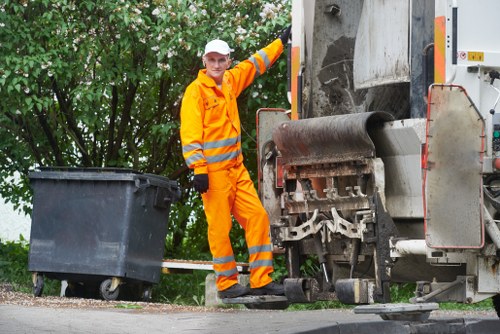
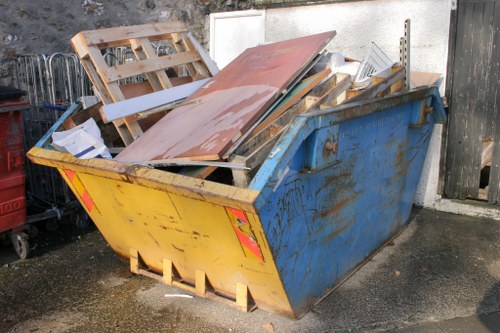
Builders waste clearance is the right fit when a project leaves behind mixed construction material that needs collecting after work has finished or during a staged refurbishment. Typical loads can include timber offcuts, plasterboard, packaging, broken fixtures, tiles, old fittings and other renovation debris. The practical challenge is not only the volume of waste but also the mixture of materials, which may need sorting or careful handling depending on what has been removed from the property.
Relevant pages for this type of work include builders waste clearance, bulk waste collection and rubbish clearance. These pages are useful where the job is too large or too mixed for ordinary household disposal. A renovation collection can involve a single room, several floors or an entire property in phases, so the most important thing is to set out what has been generated, whether it is loose or bagged, and whether there are materials that must be separated from the rest.
For homeowners, landlords and tradespeople alike, the main decision is whether to arrange a small clean-up or a broader clearance after the work is complete. Photographs of the finished waste pile are often enough to show the scale of the task, and they can be especially helpful where materials are stacked, compressed or partially hidden. If the waste is likely to include awkward boards, damaged fittings or mixed debris, it is better to describe it early so the collection can be organised around the real load rather than an estimate made in haste.
Recycling, Reuse and Responsible Handling
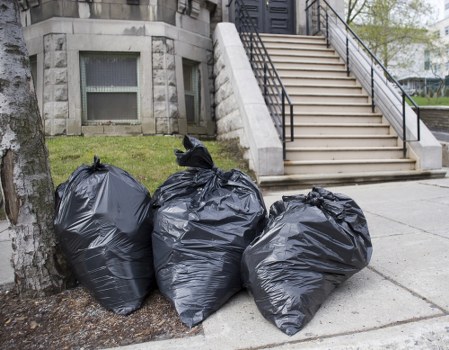
Recycling and responsible handling are important parts of modern rubbish removal because not every item should be treated in the same way once it leaves a property. Some materials can be separated for recycling, while others may be suitable for reuse if they are still in good condition. The aim is to reduce unnecessary disposal wherever it is practical to do so, while still making sure the collection is carried out efficiently and safely. That balance matters whether the job is domestic, commercial or mixed.
Our recycling and sustainability and waste recycling pages are the clearest places to look if you want to understand how different waste streams can be handled after collection. There are also specific pages for items that often need their own treatment, such as fridge disposal and white goods recycle. These pages reflect the fact that bulky appliances, metal items and mixed waste can have different disposal routes once they are removed from the property.
Where possible, it helps to identify reusable or recyclable items before the collection takes place, especially in larger clearances where one load may contain several different categories of material. That early sorting can make the overall job more efficient and can prevent useful items from being mixed in unnecessarily with general rubbish. If you are uncertain which items should be listed separately, a simple description of the contents is usually enough to guide the quotation process and keep the collection aligned with the actual waste.
Quotations, Access and Booking
Getting a quotation for rubbish removal is usually easiest when you provide a clear picture of the job rather than trying to describe it in broad terms. The type of waste, approximate volume, number of items, access arrangements and any special handling requirements all help shape the estimate. A collection from a ground-floor room will not be the same as one from a top-floor flat with narrow stairs, so practical details matter. If you are preparing an enquiry, keep the focus on what needs removing and where it is located.
For customers who want to compare options, the contact us page is the most direct way to ask for a quotation, and the pricing and quotes page gives a helpful starting point for understanding how jobs are assessed. It is usually useful to include a short list of the main items, any photographs that show the load clearly, and mention whether parking or access could affect removal. Short, accurate details are often more helpful than lengthy descriptions, because they allow the work to be planned around the true size of the collection.
When you are ready, request a quote for your rubbish removal in Balham and include the basic facts that matter most: what is going, how much there is, and how easy it will be to reach. That helps keep the quotation process efficient and makes it easier to match the service to your property or premises. For the main service overview, you can also return to rubbish removal if you want to revisit the core collection options.