Health and Safety Policy for Rubbish Removal Balham
 Rubbish Removal Balham is committed to carrying out every waste collection, clearance, and disposal task in a way that protects people, property, and the environment. This health and safety policy sets out the standards expected from everyone involved in our operations, including operatives, supervisors, and anyone supporting the work. Our approach is built on prevention, clear communication, and careful working practices. We aim to reduce risk at every stage of the job, from arrival and assessment through to lifting, loading, transport, and final disposal.
We recognise that rubbish removal can involve heavy items, awkward access points, sharp objects, dust, and unpredictable site conditions. For this reason, our rubbish removal service is planned with safety in mind before any item is moved. Risk awareness is central to our process, and all staff are expected to remain alert, cautious, and respectful of surroundings. We will not compromise safety for speed, and we expect the same professional standard throughout each clearance.
 All work is carried out in line with applicable health and safety requirements, internal procedures, and industry best practice. Our waste removal teams are instructed to use suitable equipment, wear appropriate protective clothing, and report concerns immediately if a task becomes unsafe. Every site is reviewed in practical terms, including access routes, floor conditions, lighting, object weight, and the possibility of hazardous materials. Where necessary, jobs may be adjusted, paused, or refused if risks cannot be properly controlled.
We are committed to maintaining a safe workplace and ensuring that no one is exposed to avoidable harm. This includes keeping walkways clear, handling waste responsibly, and avoiding actions that could damage surfaces, fixtures, or nearby structures. In our rubbish collection activities, we take particular care when working in homes, shared premises, business properties, and outside areas. Staff must use correct manual handling techniques, team-lift where appropriate, and avoid lifting loads that are too heavy, unstable, or contaminated.
Our teams are trained to identify common hazards associated with rubbish clearance, including broken glass, nails, needles, chemicals, unstable furniture, and concealed sharp edges. If suspect materials are discovered, work will stop until the item is assessed and the correct method of handling is confirmed. The safety of workers and occupants always comes first. No material should be moved by hand if it presents a risk that cannot be reduced through suitable controls, equipment, or additional assistance.
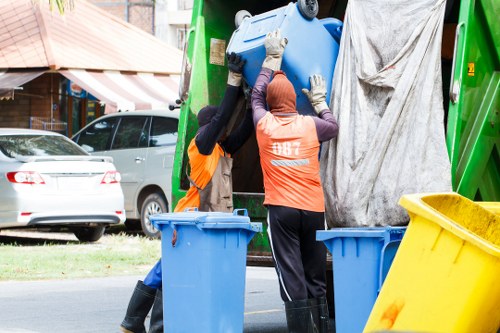
 Personal protective equipment is used whenever required to help reduce the chance of injury. Depending on the task, this may include gloves, safety footwear, eye protection, hi-vis clothing, and dust masks. Our waste clearance practices also emphasise hygiene, especially when handling dirty, damp, or contaminated items. Staff are expected to wash hands regularly, avoid eating in work areas, and follow safe disposal procedures for all waste streams. Equipment must be checked before use and removed from service if damaged or unsuitable.
Vehicle safety is another essential part of this policy. All loading and unloading must be completed in a controlled manner, with attention to balance, securing of loads, and safe access to the vehicle. Drivers and operatives must ensure that rubbish is stacked properly, doors and tailgates are closed securely, and nothing can shift during transport. Our waste collection process also includes safe movement around traffic, parked vehicles, pedestrians, and delivery areas. Caution is required at all times when operating near roads or shared access points.
We expect every member of the team to contribute to a positive safety culture. This means speaking up if a condition is unsafe, refusing to proceed with a task that cannot be done responsibly, and following instructions from supervisors. Communication is especially important when working in confined spaces, on stairs, or in locations with limited visibility. Clear signals, agreed lifting methods, and careful pacing help prevent accidents and ensure that rubbish removal remains efficient without becoming hazardous.
Training and supervision support this policy by ensuring that staff understand their responsibilities and the correct way to perform their duties. New workers are introduced to safe handling methods, hazard recognition, reporting procedures, and emergency responses. Refresher instruction is provided as needed to keep standards consistent. Our rubbish clearance operations rely on competence, attention to detail, and a willingness to follow procedure even when jobs are busy or physically demanding.
Emergency preparedness is part of everyday safety management. If an incident occurs, work will be stopped, the area made secure, and appropriate assistance sought without delay. Incidents, near misses, and unsafe conditions are recorded and reviewed so that lessons can be applied to future work. We also take a practical approach to fire safety, first aid awareness, and site evacuation where relevant. By acting quickly and responsibly, we reduce the chance of minor issues becoming serious problems.
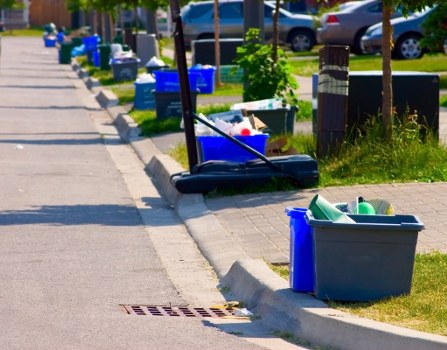 Environmental responsibility is closely linked to safety. Waste must be sorted, contained, and removed in a manner that prevents leaks, spills, and contamination. Reusable items should be separated where possible, and recyclable materials handled appropriately. Our rubbish removal service supports safe and orderly disposal by ensuring that waste is not left in a way that creates trip hazards, attracts pests, or blocks access routes. Cleanliness and order are part of our working standard.
 This policy is reviewed regularly to make sure it remains effective, practical, and relevant to the work we do. As methods, equipment, and regulations change, we update our procedures to keep safety measures strong. Our rubbish removal operations depend on consistency, professionalism, and care. Every task should be completed with the aim of protecting staff, customers, visitors, and the wider public while maintaining a high standard of service.